
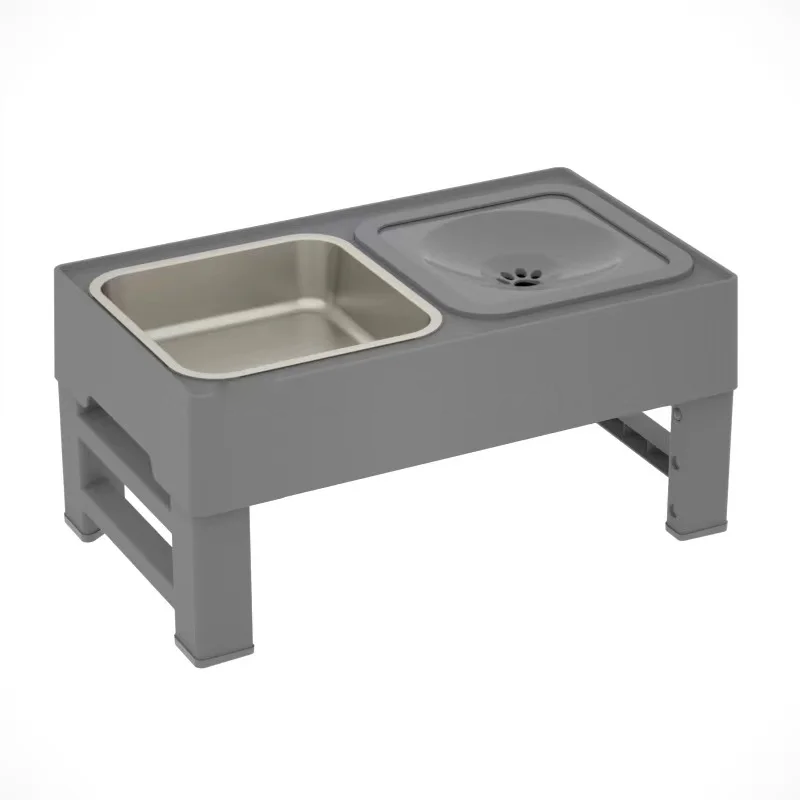
Dog Bowl
A comprehensive comparison of stainless steel, plastic, and ceramic dog bowls to help you choose the safest and most practical feeding solution for your pet.




Product Description
Why Material Matters When Choosing a Dog Bowl
The bowl your dog eats from every day has a direct impact on their health, hygiene, and comfort. With stainless steel, plastic, and ceramic as the three mainstream options on the market, each material brings distinct advantages and trade-offs. This guide breaks down the key differences so you can make an informed decision for your furry companion.
Material Comparison at a Glance
| Feature | Stainless Steel | Plastic | Ceramic |
|---|---|---|---|
| Durability | Excellent — virtually indestructible | Moderate — cracks and scratches over time | Good — can chip if dropped |
| Hygiene | Non-porous, bacteria-resistant | Scratches harbor bacteria | Glazed surface is non-porous |
| Weight | Light to medium | Very light | Heavy and stable |
| Dishwasher Safe | Yes | Top rack only | Yes (if glazed properly) |
| Safety | Food-grade, no leaching | May contain BPA or phthalates | Lead-free glaze required |
| Price Range | $$ | $ | $$$ |
Stainless Steel: The Gold Standard
Stainless steel bowls are the top recommendation from veterinarians worldwide. Food-grade 304 stainless steel is non-porous, meaning it will not absorb odors, stains, or bacteria. The smooth surface is easy to sanitize, and the material is completely inert — no chemicals will leach into your dog's food or water, even with daily use over many years.
Our stainless steel dog bowl features a non-slip rubber base that prevents sliding and tipping during meals, reducing mess and stress for your pet. The reinforced rim resists dents and maintains its shape through years of daily use.
Plastic: Affordable but Risky
Plastic bowls are the cheapest option, but they come with significant drawbacks. Over time, chewing and scratching create micro-grooves in the surface where bacteria thrive — studies have shown that heavily scratched plastic bowls can harbor more bacteria than toilet seats. Many plastic bowls also contain BPA, phthalates, or other chemicals that may leach into food, especially when heated.
If you must use plastic, choose BPA-free variants and replace them frequently. However, we strongly recommend upgrading to stainless steel for long-term safety.
Ceramic: Aesthetic with Caveats
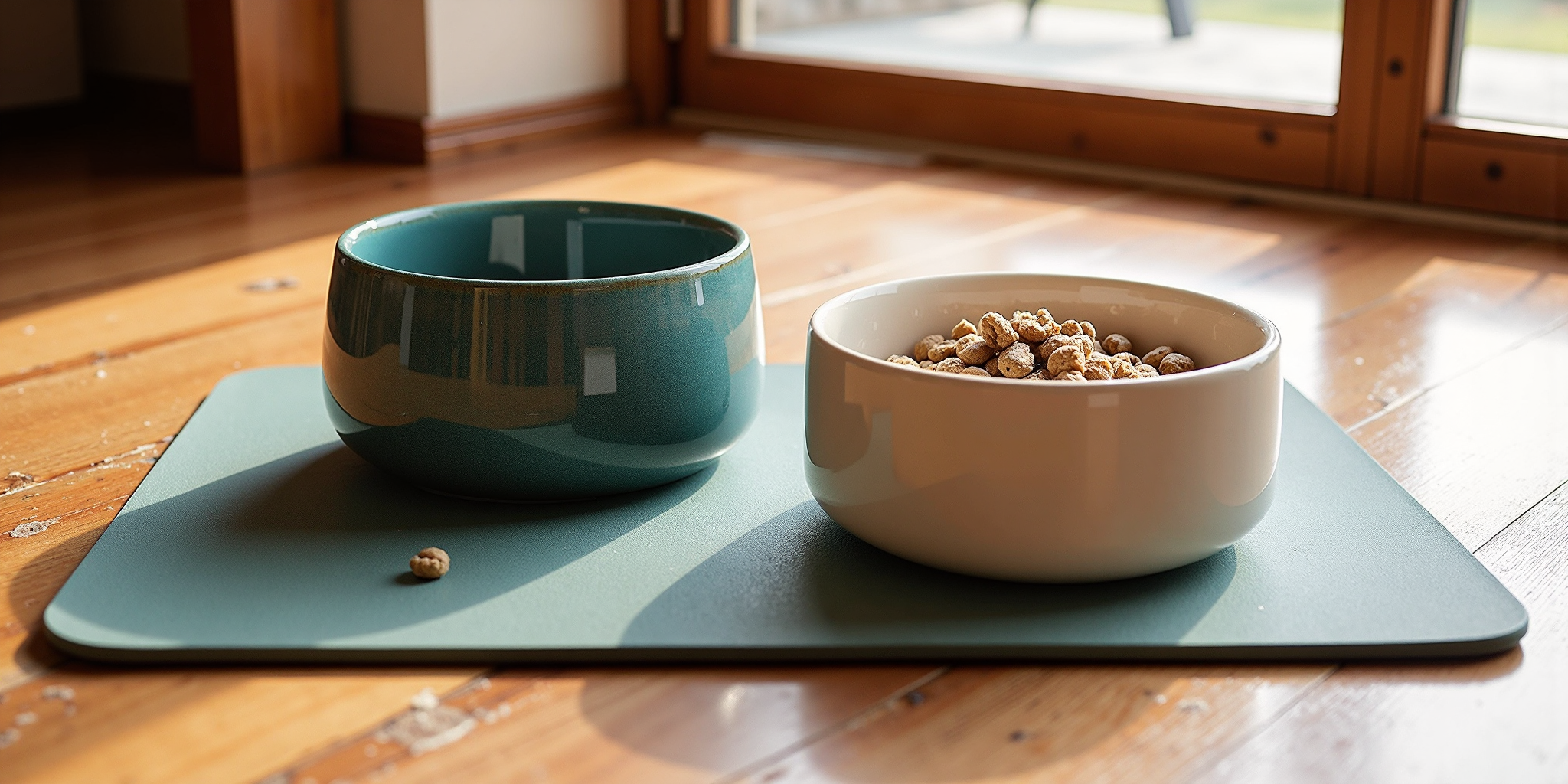
Ceramic bowls are heavy, stable, and often beautifully designed. A properly glazed ceramic surface is non-porous and easy to clean. However, low-quality ceramic bowls may use glazes containing lead or cadmium, which can leach into acidic foods. Always look for food-safe, lead-free certification.
Our Recommendation
For the vast majority of dog owners, stainless steel is the clear winner. It offers the best combination of durability, hygiene, safety, and value. The non-slip design and food-grade construction make it suitable for dogs of all sizes and breeds. Whether you have a small puppy or a large working dog, a quality stainless steel bowl will serve your pet well for years to come.
- Best Overall: Stainless steel — durable, hygienic, safe, and affordable
- Budget Pick: BPA-free plastic — acceptable short-term, replace often
- Design Pick: Lead-free glazed ceramic — beautiful but handle with care
Invest in a bowl that prioritizes your dog's health. Switch to stainless steel today and give your pet the safe, clean feeding experience they deserve.