
Best Materials for Outdoor Dog Kennels: A Complete Guide
Compare the four most popular outdoor dog kennel materials — stainless steel, galvanized steel, aluminum, and HDPE plastic — across durability, weather resistance, weight, and price to find the right fit for your climate and budget.
Choosing the right material for an outdoor dog kennel is one of the most important decisions a pet owner can make. The material determines how long the enclosure lasts, how well it shields your dog from rain, wind, and UV exposure, and how much maintenance you will need to perform over the years. With dozens of options on the market, narrowing the field comes down to understanding the trade-offs between the four most common materials: stainless steel, galvanized steel, aluminum alloy, and HDPE plastic.
Key Comparison Dimensions
Before diving into each material, it helps to establish the criteria that matter most for outdoor kennels:
- Weather resistance — Can the material withstand rain, snow, salt air, and intense UV without rusting, warping, or fading?
- Weight — Heavier kennels stay put in high winds but are harder to relocate; lighter kennels are portable but may need anchoring.
- Durability — How well does the material resist chewing, scratching, and impact over a 5- to 10-year lifespan?
- Price — Upfront cost versus long-term value, including repainting, rust treatment, and part replacement.
Armed with these four dimensions, let us examine each material in detail.
1. Stainless Steel — The Gold Standard
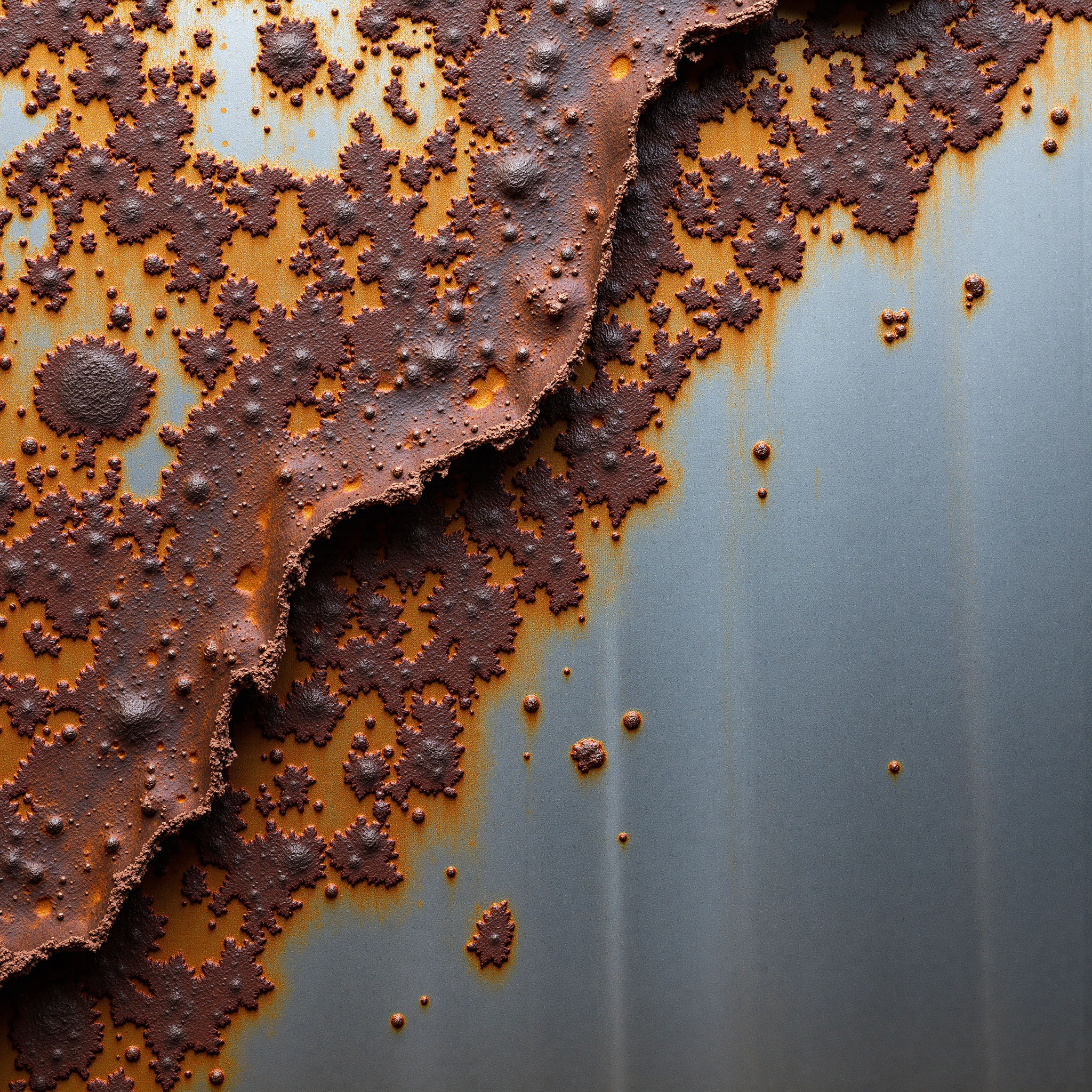
Stainless steel is widely regarded as the premium choice for outdoor dog kennels, and for good reason. Its corrosion resistance is exceptional — even in coastal environments where salt spray would destroy ordinary steel within months, 304-grade stainless steel holds up for a decade or more with virtually no maintenance.
Pros
- Superior rust and corrosion resistance, ideal for humid and coastal climates
- Extremely strong welds that resist chewing and impact from large breeds
- Easy to clean — does not harbor bacteria or absorb odors
- Maintains structural integrity across extreme temperature swings
Cons
- Highest upfront cost among the four materials — typically 2 to 3 times the price of galvanized steel
- Heavier than aluminum, making relocation more difficult
- Limited color options; most panels come in bare metallic finish
Best for: Large or powerful breeds, coastal and humid regions, owners who want a buy-it-for-life solution and are willing to invest upfront.
2. Galvanized Steel — The Value Champion
Galvanized steel kennels are coated with a layer of zinc to protect the underlying steel from corrosion. This process, known as hot-dip galvanization, provides solid rust protection at a fraction of the cost of stainless steel. For most inland dog owners, galvanized steel offers the best balance of performance and price.
Pros
- Significantly more affordable than stainless steel — often 40 to 60 percent less expensive
- Strong and rigid, suitable for medium to large breeds
- Widely available from multiple manufacturers with various panel sizes
- Can last 8 to 15 years with basic maintenance
Cons
- Zinc coating eventually wears, especially at weld points and joints
- Not recommended for coastal areas with high salt exposure
- May require periodic touch-up painting to prevent surface rust
- Heavier than aluminum and HDPE
Best for: Inland climates with moderate weather, budget-conscious owners who still want metal durability, temporary or semi-permanent installations.
3. Aluminum Alloy — The Lightweight Option
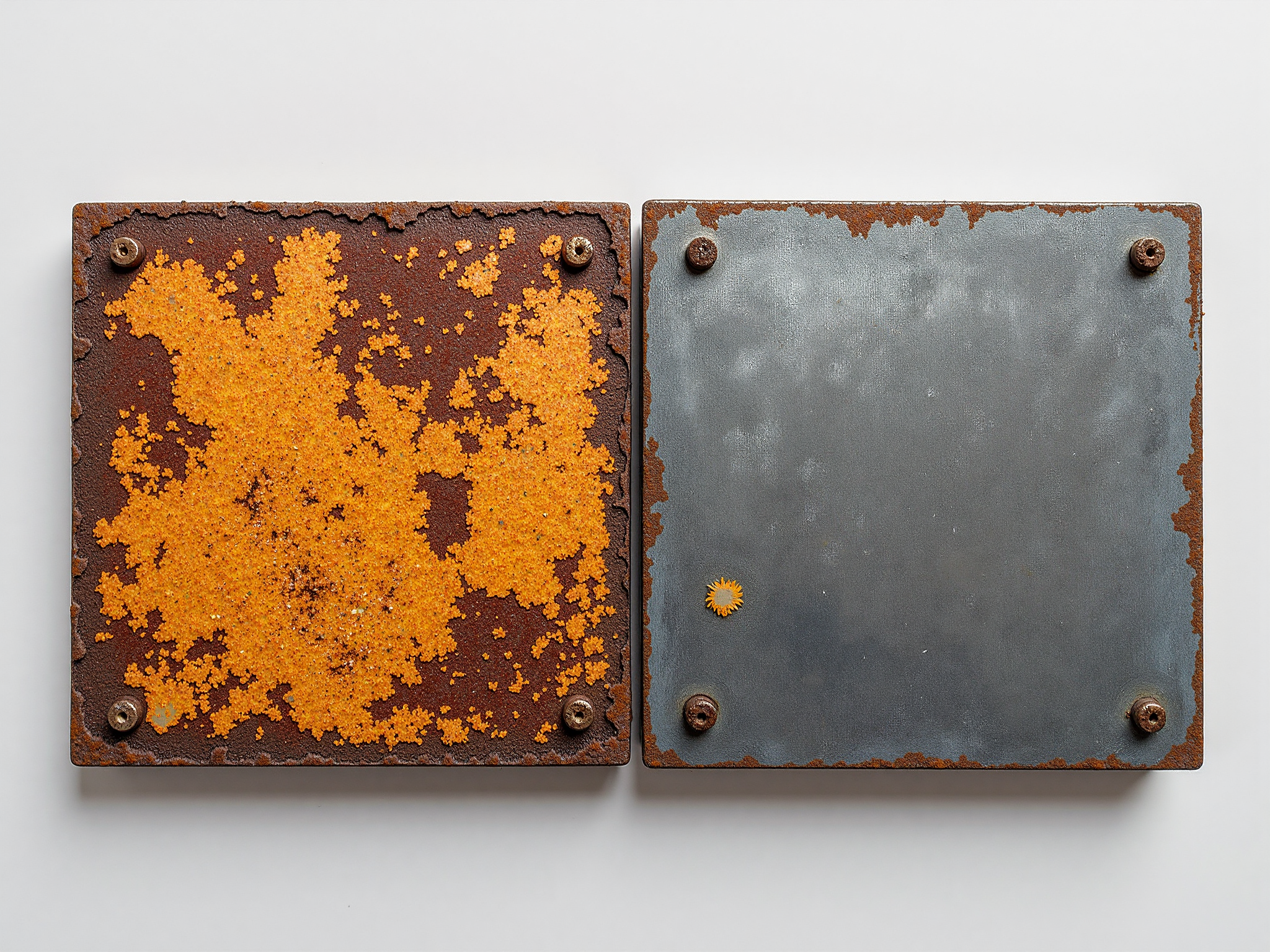
Aluminum alloy kennels have gained popularity among owners who need to move their kennels frequently — whether for seasonal repositioning, travel, or showing dogs at events. Aluminum naturally forms an oxide layer that protects against corrosion, eliminating the need for coatings that can chip or wear away.
Pros
- Significantly lighter than steel — a full-size aluminum kennel can weigh 30 to 50 percent less than its steel counterpart
- Naturally corrosion-resistant without coatings or paint
- Does not rust, even in wet conditions
- Easy to assemble, disassemble, and transport
Cons
- Less rigid than steel — large, powerful dogs may bend lighter-gauge aluminum over time
- More expensive than galvanized steel, though cheaper than stainless
- Can dent more easily than steel under impact
- Thinner gauges may flex under the weight of large breeds leaning against panels
Best for: Owners who relocate kennels seasonally, dog show participants, small to medium breeds, and anyone who prioritizes portability over maximum strength.
4. HDPE Plastic — The Low-Maintenance Contender
High-Density Polyethylene (HDPE) plastic kennels represent a different approach entirely. Rather than metal bars and mesh, these kennels use molded plastic panels with ventilation slots. They are common in mild climates where extreme strength is not a primary concern.
Pros
- Completely immune to rust and corrosion — no metal components to degrade
- Very easy to clean — can be pressure-washed without damage
- Lightweight and often features interlocking panels for tool-free assembly
- Available in multiple colors that resist UV fading
- No sharp edges or weld points that could injure dogs
Cons
- Not suitable for extreme cold — can become brittle in sub-zero temperatures
- Less structural strength than metal — determined chewers can damage panels
- UV degradation over time in intense sunlight, eventually causing brittleness
- Not ideal for large, powerful breeds that lean or push against walls
- Higher upfront cost than basic galvanized steel kennels
Best for: Mild and temperate climates, small to medium breeds, owners who prioritize easy cleaning and low maintenance, indoor-outdoor hybrid use.
Side-by-Side Comparison
To make the decision easier, here is a quick reference comparing all four materials across the key dimensions:
Weather Resistance: Stainless Steel > HDPE > Aluminum > Galvanized Steel
Strength & Durability: Stainless Steel > Galvanized Steel > Aluminum > HDPE
Weight (lighter is better): HDPE > Aluminum > Galvanized Steel > Stainless Steel
Affordability: Galvanized Steel > HDPE > Aluminum > Stainless Steel
Recommendations by Climate and Budget
Coastal or High-Humidity Regions
If you live near the ocean or in a consistently humid environment, stainless steel is worth the investment. The salt-laden air will destroy galvanized steel within a few years, and even aluminum can suffer pitting corrosion over time. Stainless steel's 304 or 316 grade composition handles salt exposure better than any other common kennel material.
Cold Northern Climates
Avoid HDPE plastic in regions where temperatures regularly drop below freezing — the material becomes brittle and can crack under impact. Galvanized steel or stainless steel are both excellent choices here. Aluminum works well too, though its lighter weight means you will need to anchor the kennel firmly against winter storms.
Hot, Sunny, Dry Climates
Aluminum and galvanized steel both perform well in arid environments. HDPE can work if you choose UV-stabilized grades, but expect a shorter lifespan than metal alternatives. Stainless steel is always a safe bet but may be overkill in dry inland areas where corrosion is not a concern.
Budget-Friendly Choice
For owners who need a reliable kennel without breaking the bank, galvanized steel is the clear winner. It provides 70 to 80 percent of stainless steel's performance at 30 to 50 percent of the cost. With occasional touch-up painting at weld points, a galvanized kennel can serve well for a decade or more.
Portable and Travel-Friendly
If you need to move your kennel regularly — for camping trips, dog shows, or seasonal yard adjustments — aluminum is the best compromise between strength and weight. HDPE is even lighter but sacrifices too much durability for active dogs.
Final Thoughts
There is no single "best" material for every situation. Stainless steel is the gold standard for durability and corrosion resistance, but its high price puts it out of reach for some owners. Galvanized steel delivers outstanding value for most inland applications. Aluminum offers unmatched portability without sacrificing corrosion resistance. HDPE plastic excels in easy maintenance and mild climates where extreme strength is unnecessary.
The smartest approach is to match the material to your specific climate, your dog's size and temperament, and your budget. Invest in the highest grade you can afford — a quality outdoor kennel is a long-term commitment to your dog's safety and comfort.